UK Supercar Ownership Costs in 2026: What the Numbers Actually Show
Supercar ownership costs in the UK are rising sharply — average pre-owned prices hit £127,000 in 2025, yet most buyers earn less than £150,000. Here's what the data reveals about the real economics of owning one.
- Who Is Actually Buying UK Supercars?
- Average Supercar Prices: The Baseline for Any Cost Model
- Depreciation: The Largest Single Cost Driver
- The Five Models Dominating the UK Supercar Market
- Finance Is Reshaping Who Can Afford These Cars
- Key Takeaways
- Sources
Building a credible annual cost model for UK supercar ownership starts with one uncomfortable truth: the headline purchase price tells you almost nothing about what a car actually costs to run. Insurance, servicing, tyres, fuel, and — above all — depreciation can dwarf any monthly finance payment. What the latest market data does tell us is who is buying these cars, at what prices, and how quickly they are cycling through them. That context is essential before any category-by-category breakdown makes sense.
Who Is Actually Buying UK Supercars?
The image of the supercar owner as a hedge-fund billionaire is increasingly out of date. According to JBR Capital's 2025 Luxury Car Report, 66% of buyers who finance a pre-owned luxury or performance car earn between £50,000 and £150,000 — a bracket that covers senior professionals, doctors, engineers, and successful small-business owners. Only 10% of JBR's client base earns more than £350,000.
That income profile matters enormously when modelling total ownership costs. A buyer on £80,000 a year faces different trade-offs than one on £800,000, and the running costs — not just the sticker price — determine whether ownership is genuinely sustainable.
Supercar sales in the UK reached a record 23,320 units in 2024, a 4% year-on-year increase according to research from UHY Hacker Young, the national accountancy group. Demand is not softening.
Average Supercar Prices: The Baseline for Any Cost Model
You cannot model costs without a realistic starting price. The average sold price of a pre-owned luxury vehicle financed through JBR Capital has risen 31% in four years, climbing from £97,000 in 2021 to £127,000 in 2025. These are actual transaction values, not advertised asking prices, which makes them a more reliable benchmark.
That £127,000 average is the entry point for a cost model. From there, every other expense scales accordingly.
Depreciation: The Largest Single Cost Driver
For most supercars, depreciation is the single biggest annual cost — often exceeding the combined total of insurance, servicing, tyres, and fuel. One data point from JBR Capital is telling: its clients typically change their car after just 13 months. That churn rate suggests owners are acutely aware of residual values and are either trading before significant depreciation hits, or using the car as part of a broader portfolio strategy.
The 31% price appreciation seen in the pre-owned luxury market since 2021 has compressed depreciation for some models, and in a handful of cases reversed it entirely. Buyers who purchased Porsche GT3s or certain limited-run models in 2021 have, in some cases, seen their asset hold or increase in value. That is the exception, not the rule — but it explains why some buyers treat supercar ownership as a financially rational decision rather than a pure lifestyle spend.
The Five Models Dominating the UK Supercar Market
JBR Capital's data identifies the models with the strongest UK demand in each performance segment. These five represent the clearest benchmarks for any ownership cost comparison:
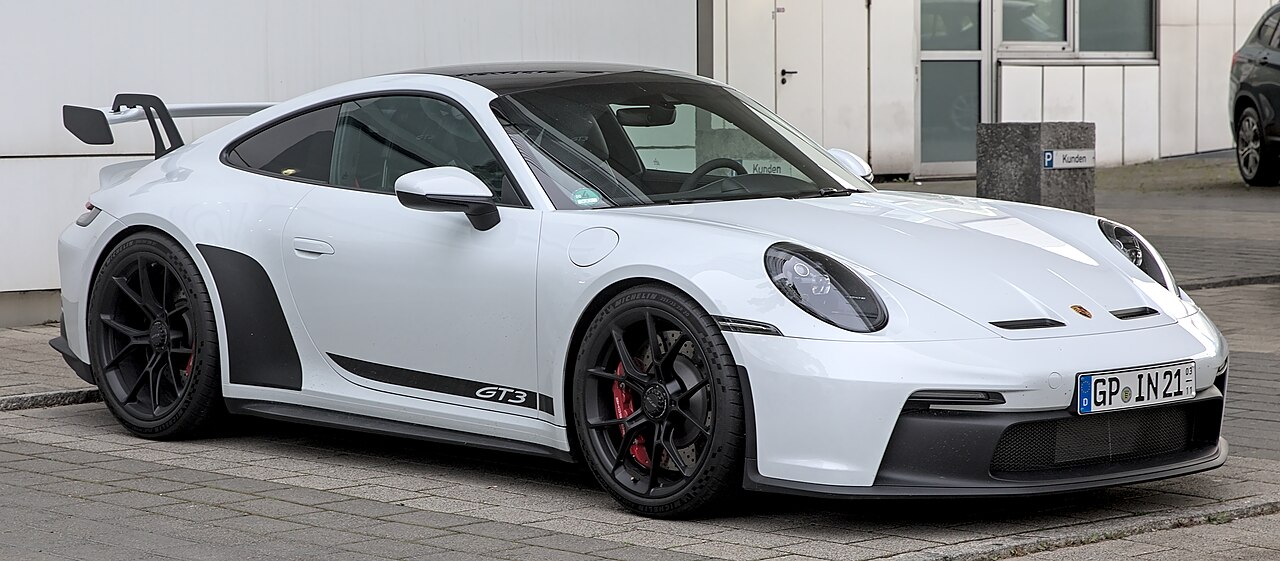
- Porsche 911 (992) GT3 — the top-ranked supercar in JBR's financed volume, with an average sold price of £121,318 for the 911 range overall. The 911 alone accounts for 16% of the entire pre-owned luxury finance market.
- Bentley Continental GT — the leading Grand Tourer, occupying a different cost profile given its larger engine, heavier weight, and bespoke servicing requirements.
- BMW M3 (G80) — the top sports saloon, offering a lower entry price than pure supercars but still carrying significant insurance and tyre costs given its performance capability.
- Porsche 911 (992) Carrera — the leading sports car in JBR's rankings, typically lower-priced than the GT3 but sharing much of the same service infrastructure.
- Range Rover Sport — the dominant performance SUV, with ownership costs shaped by a very different tyre, fuel, and servicing profile versus a mid-engine supercar.
Porsche commands 30% of the total financed luxury and sports market, making it by far the most relevant brand for any UK cost model. Its widespread service network also tends to moderate labour costs relative to more exotic marques.
Finance Is Reshaping Who Can Afford These Cars
The expansion of specialist finance — JBR Capital increased its maximum loan to £2 million per vehicle following its acquisition by Shawbrook Group — is democratising access to cars that were previously limited to outright cash buyers. This has direct implications for total cost of ownership, because monthly finance charges must be added to the running cost stack.
For a £127,000 car financed over three years at a representative rate, the monthly finance cost alone can run to £2,000–£3,000, before a single litre of fuel or tyre change is factored in. Buyers optimising for true total cost of ownership need to weigh short-term finance terms — which JBR's 13-month average churn suggests many do — against longer-term alternatives.
Key Takeaways
- The average pre-owned supercar or luxury car costs £127,000 in the UK as of 2025, up 31% since 2021 — that baseline determines the scale of every downstream cost.
- Depreciation is the dominant annual cost for most owners; JBR Capital's 13-month average holding period suggests active management of residual values is common.
- 66% of supercar finance customers earn £50,000–£150,000, not seven-figure salaries — finance is the mechanism making these cars accessible to mainstream high earners.
- The Porsche 911 is the UK's most financed performance car, with a 16% market share and an average transaction price of £121,318; its broad service network provides relative cost predictability.
- Supercar sales hit a UK record of 23,320 units in 2024, demonstrating that demand — and therefore the pool of buyers managing these running costs — is growing, not contracting.
Sources
AM-online — High earners' demand drives used luxury car price to a £127,000 average (1 December 2025)