Porsche 918, McLaren P1 or LaFerrari: 2026 Buyers Guide
A ranked comparison of the Holy Trinity hypercars on specs, hybrid technology, rarity, and which makes the strongest case as a used road car in 2026.
Table of Contents
- What Is the Holy Trinity?
- Porsche 918 Spyder
- McLaren P1
- Ferrari LaFerrari
- Specs Compared
- Rarity, Production Numbers, and Collector Value
- Which Is the Most Viable Road Car in 2026?
- Key Takeaways
- Sources
What Is the Holy Trinity?
In 2013, three manufacturers released halo hybrid hypercars within months of each other — and the phrase "Holy Trinity" stuck. The Porsche 918 Spyder, McLaren P1, and Ferrari LaFerrari each claimed a hybrid powertrain layout and outputs that redefined road-legal performance. More than a decade on, all three sit in the serious used-hypercar market. For buyers evaluating them today, the specs are only part of the picture.
Porsche 918 Spyder
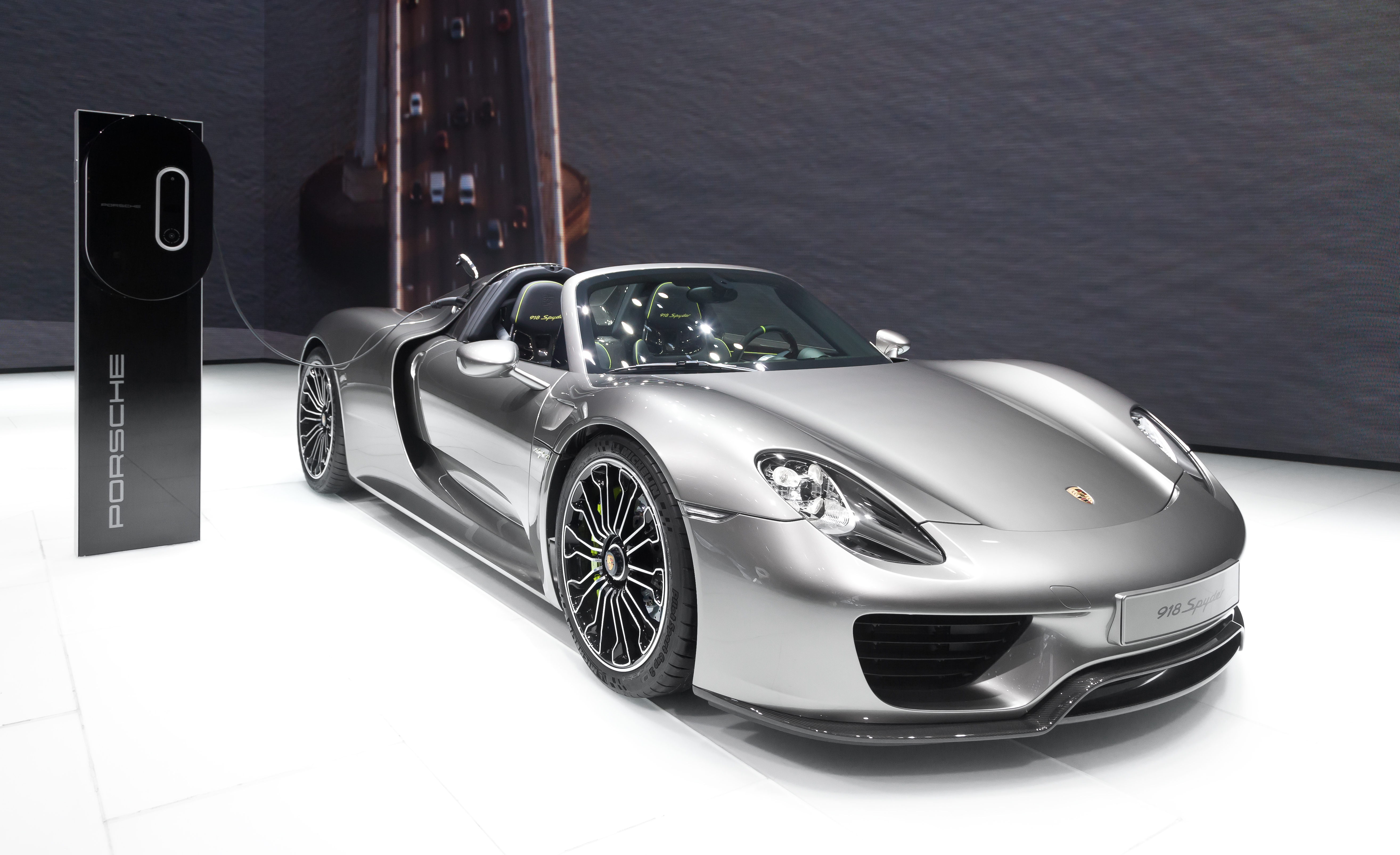
The 918 Spyder is the most technically legible of the three. A naturally aspirated 4.6-litre V-8 making 599 hp pairs with two electric motors for a combined 877 hp and 944 ft lbs of near-instant torque. Designed by Porsche chief designer Michael Mauer and first shown as a concept at the 2010 Geneva Motor Show, it entered production in late 2013 at a base MSRP of $845,000.
Crucially for buyers, it is a plug-in hybrid. That distinction matters at the ownership level: the electric motors can handle low-speed and urban running independently, reducing thermal cycling on the V-8 and making the car meaningfully more liveable in everyday conditions than the other two. Porsche built exactly 918 examples — the entire allocation sold out before the end of 2014, with production ending by mid-2015.
For parts availability, the 918's Porsche lineage is a genuine advantage. The marque's global dealer and authorised-workshop network is far denser than McLaren's or Ferrari's specialist infrastructure, and that matters as hybrid battery systems age into their second decade.
McLaren P1
McLaren arrived at the Holy Trinity as a relative newcomer to the flagship hypercar category. Despite the legendary F1 of the 1990s, the P1 was effectively built from scratch — and it shows in the result. A 903 hp hybrid powertrain sits inside a remarkably lightweight carbon-fibre chassis, built using the same advanced construction techniques McLaren had developed across its wider road car range.
Where the 918 leans on usability, the P1 leans on aggression. It is the most driver-centric of the three, calibrated for committed use rather than occasional cruising. The carbon-fibre monocoque construction, developed in-house rather than outsourced, provides structural integrity and a meaningful weight advantage over cars built around conventional materials.
Parts and servicing accessibility sits below Porsche's but above the exclusivity ceiling of Ferrari's hypercar support structure. Buyers should budget for specialist McLaren-authorised servicing regardless.
Ferrari LaFerrari
The LaFerrari is the outlier of the three in the most important way: it is the only one with a naturally aspirated V-12, producing 950 hp — making it both the most powerful and, by most accounts, the most charismatic. Ferrari named it as it did to signal intent: this was "the quintessence of the Ferrari nameplate," and Robb Report rates it potentially "one of the greatest prancing horses of all time."
That V-12 character is irreplaceable. It is louder, higher-revving, and more emotionally demanding than either rival. For a buyer who plans to drive the car — even occasionally — nothing in this comparison delivers the same sensory experience. The trade-off is that naturally aspirated V-12s at this output level require proper running to stay in condition, and Ferrari's hypercar servicing is handled through a small number of authorised specialists.
The LaFerrari is not a plug-in hybrid. Its kinetic energy recovery system charges during driving, which means the hybrid assistance is less predictable in slow urban traffic. As an occasional fast-road and track car, that is largely irrelevant. As a day-to-day road car, it matters.
Specs Compared
| Porsche 918 Spyder | McLaren P1 | Ferrari LaFerrari | |
|---|---|---|---|
| Combined power | 877 hp | 903 hp | 950 hp |
| Engine | 4.6L V-8 + 2 e-motors | Hybrid V-8 | V-12 + KERS hybrid |
| Torque | 944 ft lbs | n/a (not disclosed in source) | n/a (not disclosed in source) |
| Hybrid type | Plug-in (EV mode capable) | Non plug-in | KERS (charge-on-drive only) |
| Units produced | 918 | Limited | Limited |
| Original base price | $845,000 | Higher | Higher |
Rarity, Production Numbers, and Collector Value
The 918 Spyder's production run is the most precisely quantified: 918 units, a number that also acts as a ready marketing anchor. The LaFerrari and P1 were both produced in similarly constrained numbers, though Ferrari and McLaren have been less transparent about exact figures across all variants.
For investment considerations, the LaFerrari's V-12, Ferrari brand heritage, and status as the most powerful of the three have historically positioned it at a premium in collector circles. The 918 Spyder's defined production ceiling and Porsche provenance make its supply picture the most legible — which aids both buying and eventual selling. All three remain "highly desirable collector cars," per Robb Report's assessment of the 918, and that verdict extends to the category.
Buyers targeting the sub-£500k market should be aware that entry pricing varies significantly by specification, mileage, and options history. All three were optioned extensively from factory and early examples can carry very different option loads.
Which Is the Most Viable Road Car in 2026?
For occasional road use, the ranking is clear:
- Porsche 918 Spyder — plug-in capability, the deepest dealer network, and the most progressive hybrid architecture make it the easiest to own. Its torque delivery is also the most accessible at low speeds.
- McLaren P1 — more demanding but well-supported through McLaren's specialist network. Best suited to buyers who will drive hard and regularly.
- Ferrari LaFerrari — the most rewarding when used as intended, but the least forgiving of infrequent or slow driving. Buy this one if the V-12 is the point; factor in Ferrari specialist access accordingly.
All three are now over a decade old. Hybrid battery condition is the key due-diligence item on any example — independent inspection of the battery management systems by a specialist familiar with all three is non-negotiable before purchase.
Key Takeaways
- All three Holy Trinity hypercars debuted in 2013 with hybrid powertrains; all examples are now at least 11 years old, making battery health a primary inspection concern.
- The Porsche 918 Spyder (877 hp, 918 units, plug-in hybrid) is the most road-viable choice, with the strongest manufacturer support network of the three.
- The McLaren P1 (903 hp, carbon-fibre monocoque) is the most driver-focused, built for committed use rather than casual ownership.
- The Ferrari LaFerrari (950 hp, naturally aspirated V-12) is the most powerful and charismatic, and commands a collector premium driven by V-12 heritage and Ferrari brand value.
- For road viability, choose the 918; for investment premium and emotional reward, choose the LaFerrari; for pure driver engagement, choose the P1.
Sources
Robb Report — The 25 Greatest Supercars of the 21st Century (So Far) (July 4, 2024)