Performance EV Depreciation: The Models Costing UK Buyers Most in 2026
The high-performance EV market is brutal for owners: new data shows some models shedding more than 60% of their value within five years — here's what UK buyers need to avoid.
- Why High-Performance EVs Depreciate So Fast
- The Worst Offenders: Models Losing Over 60% in Five Years
- Tesla's Performance Flagships Take the Biggest Hit
- The Sweet Spot: How to Buy Without Getting Burned
- What This Means for UK Buyers in 2026
- Key Takeaways
- Sources
Performance EVs promised to redefine the premium car market. For buyers who paid full retail price, that promise has come at a steep cost. Depreciation figures now emerging from automotive analytics firms show some high-performance electric models losing more than 60% of their value in just five years — a trajectory that should give any UK buyer serious pause before signing on the dotted line.
The data, drawn from a study by iSeeCars, covers five-year depreciation rates across the used car market. The results are stark, and they skew heavily towards electric vehicles.
Why High-Performance EVs Depreciate So Fast
Depreciation in the electric vehicle sector runs deeper than in the traditional combustion market for several structural reasons. Technology cycles are short — a five-year-old EV can feel a generation behind in range, charging speed, and software. Manufacturers, particularly Tesla, have repeatedly cut new-car prices to stimulate demand, which instantly compresses the value of cars already on the road.
Add in consumer hesitancy around battery health and range anxiety, and the resale market for premium EVs faces persistent downward pressure. Buyers who understood this dynamic have been waiting. Those who bought at peak pricing are paying the price.
The Worst Offenders: Models Losing Over 60% in Five Years
The iSeeCars study ranked the fastest-depreciating five-year-old cars on the market. Three of the top five slots were taken by EVs. At the top of the list — and worth treating as a warning for anyone considering a used premium electric vehicle — are:
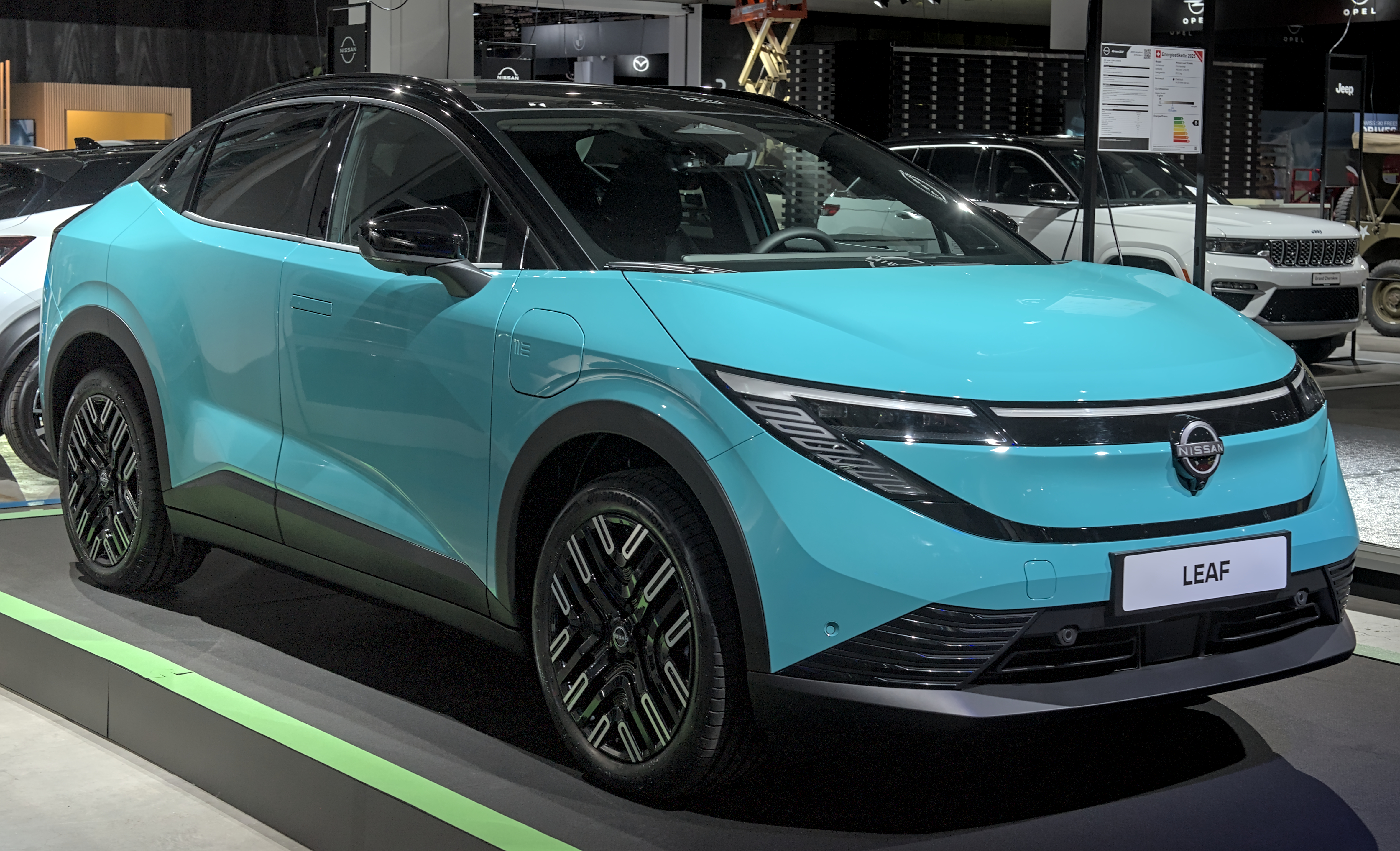
- Nissan Leaf — loses up to 63.1% of its value, equivalent to around $17,743 (approximately £14,000 at current rates)
- Volkswagen ID.4 — drops 62.1%, representing a loss of roughly $28,010 (around £22,000)
- Tesla Model S — sheds 62% of its value, with an average loss of $58,907 (approximately £46,500)
The Nissan Leaf sits at the affordable end of the EV spectrum, so the dollar loss is relatively contained. The ID.4 sits in mainstream crossover territory. But for buyers in the performance and luxury bracket, it is the Tesla figures that demand the closest attention.
Tesla's Performance Flagships Take the Biggest Hit
The Tesla Model S and Model X are where depreciation stops being an inconvenience and starts being a financial catastrophe for original buyers.
The Model S, Tesla's performance saloon that launched at prices well above £80,000 in the UK, loses around 62% of its value over five years — an average dollar figure of $58,907. In real-world UK terms, a Model S bought new at the top of the market may now be worth less than a third of its purchase price.
The Tesla Model X, the performance SUV with falcon-wing doors and a six-figure UK launch price, ranks as the seventh worst-depreciating car in the study. It loses 61.2% of its value — a dollar equivalent of $61,216, making it one of the single largest absolute value losses in the entire used car market.
Both vehicles were perceived as status purchases when new. Both are now widely available at deeply discounted prices on classified sites — which, depending on your perspective, is either a warning or an opportunity.
The Sweet Spot: How to Buy Without Getting Burned
If you are determined to own a performance EV rather than avoid them entirely, the data points toward a clear buying strategy.
YouTuber Luke Delivers, who has been running a Tesla Model 3 commercially for six months, identified what he calls the 'sweet spot' for used EV buyers: a 2020 or 2021 model year. "I think the sweet spot, if you are to get one, you wanna go for one that is 2020 or 2021," he said, adding that buyers should prioritise late 2020 examples to capture a facelift refresh. In the UK market, that equates to roughly £16,000 for a Model 3 — a substantial discount on the original retail price.
The principle extends to performance-tier models. A car that has already taken its heaviest depreciation hit — typically in years one through three — offers far better value retention going forward. Buying a four- or five-year-old Model S or Model X at the bottom of its depreciation curve carries far less financial risk than buying new or near-new.
The key caveats:
- Verify battery health with a diagnostic check before purchase
- Factor in out-of-warranty repair costs, which can be significant on complex EVs
- Check whether the software is still receiving updates from the manufacturer
- Confirm charging compatibility with your home setup and regular routes
What This Means for UK Buyers in 2026
The UK used EV market in 2026 is awash with discounted stock. Lease returns, fleet disposals, and vehicles traded in by early adopters have created a buyer's market — but not every deal is genuinely good value.
For buyers browsing classified ads at the performance end of the market, the headline prices on Tesla Model S and Model X listings look attractive. They should. These are cars that have already dropped by tens of thousands of pounds from their original price. The question for any prospective buyer is not whether depreciation has happened, but whether it has finished happening.
Given ongoing competition from newer models, continued manufacturer price adjustments, and the pace of EV technology development, there is no strong evidence that the steepest losses are behind us for every model. Buying into a vehicle that is still in freefall is a very different proposition from buying one that has found its floor.
Approach 2020–2022 model years with a degree of caution. Approach anything newer with a great deal more.
Key Takeaways
- The Tesla Model S loses an average of 62% of its value over five years — one of the largest absolute depreciation figures in the entire car market
- The Tesla Model X depreciates at 61.2%, shedding roughly $61,000 in value over five years
- Three of the five fastest-depreciating cars in a major iSeeCars study were EVs, underscoring a market-wide pattern
- The safest entry point for used performance EVs is 2020–2021 model years, after the steepest initial depreciation has passed
- UK buyers should verify battery health, check software support status, and factor in post-warranty repair costs before any purchase
Sources
Supercar Blondie — Man who's been using Tesla Model 3 for 6 months for Uber and deliveries reveals the 'sweet spot' of depreciation to aim for (24 April 2026)