McLaren GTS UK Price and Spec: Is It Worth the Premium?
The McLaren GTS arrives in the UK from £149,850, bringing 626bhp and a sharpened look — but does this mid-life GT update justify its supercar price tag?
- What Is the McLaren GTS?
- UK Pricing: What You Pay for the GTS
- Performance and Powertrain
- Design and Styling Changes
- Interior and Practicality
- Is the GTS Worth It Over the 720S?
- Key Takeaways
- Sources
The McLaren GTS has landed in the UK with a confirmed starting price of £149,850, positioning itself as the accessible entry point to Woking's current range — and making a case for buyers who want genuine supercar pace with something approaching everyday usability. But more power and a styling refresh alone rarely justify a purchase at this price level. The question is whether the GTS moves the needle enough over both its outgoing GT predecessor and the used-market competition to hold its value and its appeal.
What Is the McLaren GTS?
The GTS is a mid-cycle update to the McLaren GT, the firm's "extra-practicality" supercar that first appeared in 2019. McLaren has rebranded it with an 'S' suffix and applied changes across performance, aesthetics, and specification — though the underlying architecture remains unchanged: a carbon-fibre tub, a mid-mounted 4.0-litre twin-turbocharged V8, and adaptively damped independent suspension all carry over.
Autocar's full review notes that UK sales of the GT had been "consistent but quite slow," playing "third fiddle" to both the 720S/750S and the smaller 570S/600LT/Artura. The GTS is Woking's attempt to refresh that picture without committing to a ground-up redesign — a classic lifecycle management move.
UK Pricing: What You Pay for the GTS
The McLaren GTS starts from £149,850 in the UK. That sits it at the accessible end of McLaren's current lineup, though six-figure accessible is still a steep ask. The test car evaluated by Autocar featured optional gloss carbonfibre aerodynamic addenda at additional cost — a reminder that the headline figure rarely reflects what most buyers will actually pay. Fully optioned examples will push significantly higher.
Performance and Powertrain
The GTS gains 15bhp over the outgoing GT, with the 4.0-litre twin-turbo V8 now producing 626bhp — making it the least powerful car in the current McLaren range, but one with a power-to-weight ratio that the company claims shades key Super GT class rivals. Weight drops by 10kg in standard homologated form, aided by the carbon-tub construction.
The engine delivers strong mid-range torque, with the character of a unit that feels more powerful than its numbers suggest: 60 per cent throttle, according to Autocar, feels more like 80 or 90. The twin-clutch gearbox is smooth under normal use and rapid in Track mode. Ride quality is supple at cross-country pace, though not truly isolated — a persistent limitation for a car billing itself as a grand tourer.
What the GTS doesn't gain is more torque, and the V8 remains an engine that's more competent than charismatic. Autocar describes it as "not especially enticing to listen to, or enriching in the way that other more charismatic V8s can be" — a gap that will matter to buyers cross-shopping against Ferrari or Lamborghini alternatives.
Design and Styling Changes
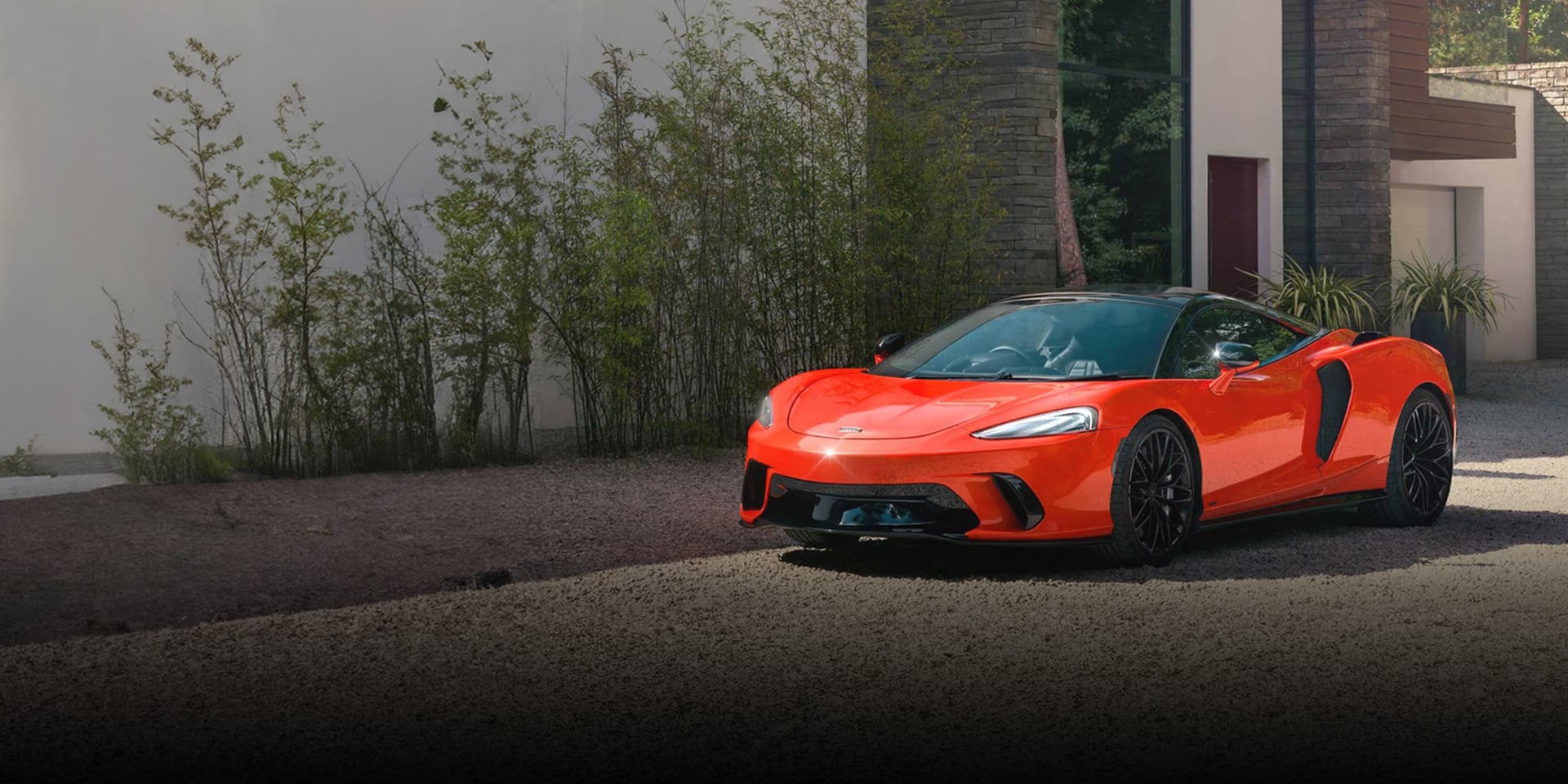
The original GT carried a subtle, restrained look by McLaren standards. The GTS addresses this with black body trim replacing the previous satin chrome detailing, more aggressively scooped air intakes, and jutting aerodynamic addenda that sharpens the silhouette considerably. An optional gloss carbonfibre package amplifies the effect further.
The result is a car that reads more convincingly as a McLaren from a distance. The changes are cosmetically significant enough to reset visual expectations, even if the structure beneath them is unchanged. Whether that's worth the 'S' suffix to existing GT owners is a reasonable question to ask.
Interior and Practicality
The GTS's defining practical advantage — a liftback rear cargo compartment long and deep enough for golf clubs — is retained. That remains a genuinely unusual feature for a mid-engined car and a meaningful differentiator from the 750S for buyers who want to actually use their McLaren.
Inside, however, the update is minimal. The infotainment system is still a 7.0-inch unit that doesn't support wired smartphone mirroring and is described as sparsely featured and difficult to use. The GTS does not adopt the updated secondary control layout found in the Artura and 750S — rotary knobs for powertrain and handling modes remain in their awkward low-down position. The seats are well-padded but offer limited adjustment range, with no cushion inclination setting for longer-legged drivers.
This is the GTS's most significant weakness. A £149,850 car with a 2019-era infotainment system is a hard sell against rivals that have moved on considerably in the years since.
Is the GTS Worth It Over the 720S?
This is where the residual and value calculus gets complicated. The 720S was — and on the used market, remains — an exceptional driver's car: sharper, more focused, and broadly regarded as one of the most rewarding supercars of its era. The GTS is not trying to be that. It targets a different buyer who prioritises usability alongside performance. But that buyer, at this price, has options.
On paper, the GTS's power-to-weight numbers are competitive, and the carbon-tub construction genuinely keeps weight in check. The styling refresh gives it more visual presence. But Autocar's 6/10 verdict reflects a car caught between briefs — not quite isolated enough to feel like a true GT, not focused enough to match the driver appeal of the 750S.
On residual grounds, the GT's slow sales history in the UK is a concern. McLaren's halo models — the 720S especially — have retained value well because production volumes are controlled and enthusiast demand is strong. The GTS, with its smaller following and now-dated cabin, may face greater residual pressure as the model ages further. The infotainment gap will only widen.
The honest summary: the GTS is a better car than the GT it replaces, and at a price that hasn't escalated dramatically. But the cabin refresh is too thin, and the fundamental mid-engine GT compromise remains unresolved. Buyers weighing a new GTS against a well-specified used 750S, or a Porsche 911 Turbo at comparable money, will find the case harder to make than McLaren's marketing suggests.
Key Takeaways
- The McLaren GTS starts from £149,850 in the UK — the entry point of the current McLaren range.
- Power rises to 626bhp (up 15bhp over the GT), with a 10kg weight reduction in standard form.
- Styling has been sharpened: black trim, scooped intakes, and optional gloss carbonfibre addenda replace the GT's satin chrome aesthetic.
- The practical liftback cargo compartment is retained, but the interior and infotainment receive only a minimal update.
- Autocar rates it 6/10, flagging the ageing cabin tech, insufficient touring refinement, and the inherent limitations of the mid-engine GT brief as the primary weaknesses.
Sources
Autocar — Tested: 2026 McLaren GTS - Full review, price & features (11 September 2024)