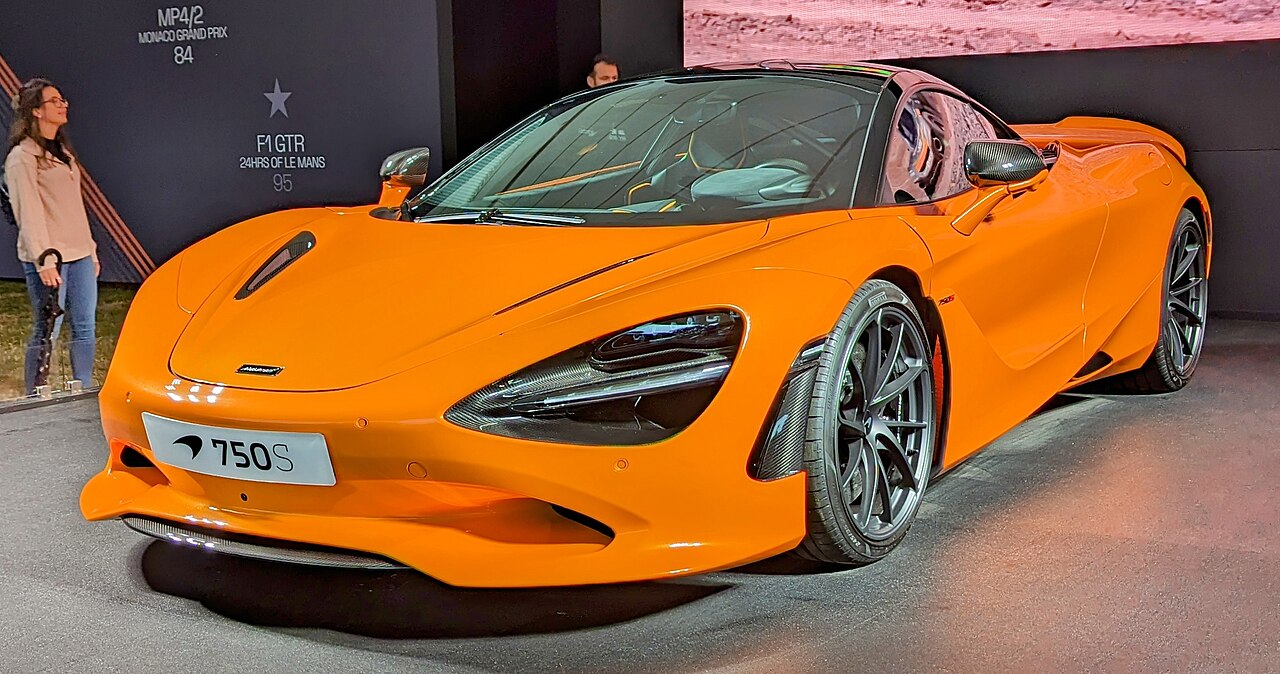
McLaren 750S vs Ferrari 296 GTB: Which Offers Better Value in the UK?
Two mid-engine V8 supercars, two distinct philosophies — here's how the McLaren 750S and Ferrari 296 GTB stack up for UK buyers on price, running costs, and driver reward.
- Price and Transaction Costs in the UK
- Performance and Powertrain
- Driver Engagement: Which Feels Better to Drive?
- Daily Usability and Running Costs
- Dealer Networks and Ownership Experience
- The Verdict: Which Is Better Value for UK Buyers?
- Key Takeaways
- Sources
The McLaren 750S and Ferrari 296 GTB are the two most closely contested mid-engine supercars on the UK market in 2026, and choosing between them comes down to far more than a spec sheet comparison. Both cars deploy hybrid-assisted forced-induction engines, deliver more than 700bhp, and occupy the same aspirational price bracket — yet they deliver a meaningfully different ownership proposition.
Price and Transaction Costs in the UK
The Ferrari 296 GTB carries a significant price premium over the McLaren 750S. Autocar lists the 296 GTB as "expensive, given it's the entry mid-engined Ferrari," positioning it at a higher transaction price that reflects Ferrari's allocation model and the brand's notorious ability to hold — or exceed — list price in the used market. New Ferrari prices typically start well above £280,000 once options are factored in, and dealers rarely discount.
The McLaren 750S sits in a comparatively more accessible bracket. McLaren's UK dealer network has historically offered more flexibility on pricing and stock availability than Ferrari, partly because McLaren doesn't manage supply as tightly. For buyers seeking a negotiated deal or a nearly-new example, the 750S tends to be the easier and cheaper path in. That pricing flexibility is a meaningful advantage when the total cost of entry — including options, delivery, and initial depreciation — is considered across the first year of ownership.
Performance and Powertrain
Both cars use electrified, forced-induction powertrains, though the engineering routes differ. The Ferrari 296 GTB pairs a twin-turbocharged 3.0-litre V6 with a 164bhp electric motor to deliver a combined 819bhp — a figure that makes it one of the most powerful cars at this price point. The V6 has drawn praise from testers for its sound: Autocar's deputy road test editor Richard Lane called it "stunning," adding that the car is "benign and adaptable but also wildly quick and expressive."
The McLaren 750S is powered by a twin-turbocharged 4.0-litre V8 producing 750bhp without hybrid assistance, making it lighter and mechanically simpler than the Ferrari. The absence of a battery pack keeps the kerb weight down and removes the added complexity — and potential long-term cost — of a high-voltage system. For buyers concerned about residual costs in years three to five of ownership, that simplicity has real value.
Driver Engagement: Which Feels Better to Drive?
This is where opinions diverge most sharply. The Ferrari 296 GTB earned a perfect 10 from Autocar for both performance and ride and handling — the same scores awarded to the Porsche 911 GT3. Reviewers describe its handling as "confidence-inspiring" and comfortable over distance, making it genuinely usable beyond track days and Sunday runs.
The McLaren 750S builds on a lineage of cars widely regarded for their steering feel, chassis balance, and driver communication. McLaren's closely related Artura — which shares platform DNA — sits second on Autocar's ranked supercar list specifically because of its "poised, tactile and absorbing handling" and the fact that it "entertains as brilliantly on road as race track." The 750S, with its non-hybrid V8, sharpens those traits further by stripping weight.
For the driver who wants unfiltered feedback and a more analogue connection to the road, the 750S has the edge. For the driver who values seamless, effortless performance with a broader bandwidth of everyday composure, the 296 GTB is the stronger all-rounder.
Daily Usability and Running Costs
Running costs in this segment are rarely the deciding factor, but they matter more than many buyers admit. Both cars attract high insurance premiums, eye-watering tyre bills, and supercar-tier servicing schedules.
The Ferrari's PHEV system adds complexity but also delivers a degree of EV running capability for short urban trips, which can soften fuel costs modestly. The McLaren's simpler combustion-only drivetrain means lower potential repair costs but no EV offset.
Key running cost considerations:
- Tyres: Both use bespoke high-performance rubber; replacement costs are broadly similar and substantial.
- Servicing: Ferrari's approved service network is extensive in the UK; McLaren's is smaller but has expanded since 2020.
- Insurance: Group ratings are comparable at the top of the scale for both.
- Depreciation: Ferrari historically depreciates less aggressively than McLaren, which is a meaningful factor in total cost of ownership.
Dealer Networks and Ownership Experience
Ferrari's UK dealer footprint is larger and longer-established than McLaren's. Ferrari owners benefit from a global marque with deep heritage infrastructure, which matters for parts availability and resale confidence. The flip side is that Ferrari dealers have less incentive to compete on price — allocation control means demand consistently outstrips supply.
McLaren's network, headquartered in Woking, Surrey, has faced well-documented reliability concerns with earlier models. Autocar lists "reliability concerns" as a noted drawback of the Artura, and the same shadow has hung over the 750S's predecessors. For buyers purchasing new with full warranty coverage, this is mitigated — but it remains a factor to weigh for used examples.
The Verdict: Which Is Better Value for UK Buyers?
On pure purchase price and transaction flexibility, the McLaren 750S wins. It costs less to buy new, is easier to negotiate on, and its simpler drivetrain carries lower long-term mechanical risk. For the driver who prizes engagement and wants to extract maximum feedback from every mile, it is also the more rewarding machine.
The Ferrari 296 GTB justifies its premium through stronger residual values, a more confidence-inspiring all-round character, and the intangible (but financially real) power of the Ferrari badge. If total cost of ownership over a five-year period is the frame, the Ferrari's depreciation resistance could narrow — or even close — the gap with the McLaren's lower entry price.
For most UK buyers prioritising value in the truest sense — what you get per pound spent, including driver reward, reliability simplicity, and purchase flexibility — the McLaren 750S edges it. The Ferrari is the better financial instrument. The McLaren is the better car to own.
Key Takeaways
- The McLaren 750S has a lower entry price and greater dealer flexibility than the Ferrari 296 GTB in the UK.
- The Ferrari 296 GTB produces 819bhp via a PHEV V6; the McLaren 750S makes 750bhp from a non-hybrid V8, keeping it lighter and mechanically simpler.
- Autocar awards the Ferrari 296 GTB a perfect 10 for both performance and ride and handling, placing it among the class elite.
- Ferrari's stronger residual values and brand prestige may offset its higher list price over a five-year ownership period.
- For outright driver engagement and value-per-pound spent, the McLaren 750S is the sharper choice for UK buyers in 2026.
Sources
Autocar — The best supercars – driven, rated and ranked (9 March 2026)